How Antioxidants Support Redness-Prone Skin
Antioxidants get pitched as a redness cure-all, but the evidence for calming inflamed, reactive skin is real for only a handful of them — and even then, it's supporting evidence, not a treatment.
Redness-prone skin gets a lot of advice aimed at calming it down, and antioxidants sit near the top of most of those lists. The pitch is straightforward: free radicals worsen inflammation, antioxidants neutralise free radicals, so antioxidants calm redness. The mechanism is real. The size of the effect, and which antioxidants actually deliver it, is where the marketing tends to get ahead of the evidence.
What’s actually happening under the redness
Persistent facial redness — whether from rosacea, generally reactive skin, or a compromised barrier — usually involves some combination of dilated blood vessels, an overactive inflammatory response, and oxidative stress from UV exposure and pollution. Antioxidants address one part of that picture: they intercept free radicals before they can add to inflammatory signalling. That’s a genuine mechanism, not marketing fiction — it just isn’t the whole story for why skin looks red, and it won’t do much about the vascular side of things on its own.
Which antioxidants have decent evidence behind them
Not every “antioxidant” claim on a label carries equal weight. Vitamin C has reasonable evidence for supporting collagen production and, in some formulations, for supporting capillary strength — relevant to visible redness and broken capillaries specifically. Niacinamide isn’t a classic antioxidant so much as a barrier-support and anti-inflammatory ingredient, but it earns its place in redness-focused routines because it appears to improve the appearance of irritation and support barrier function. Azelaic acid combines antioxidant and anti-inflammatory action with a genuinely useful evidence base specifically for rosacea-associated redness. Green tea polyphenols and vitamin E have supporting evidence too, though it’s thinner and comes mostly from lab or small-scale studies rather than large trials on facial redness itself. Resveratrol’s case is weaker still — a plausible mechanism, but limited clinical data specific to redness.
Building them into a routine without triggering more redness
The bigger risk for reactive skin usually isn’t the antioxidant itself, it’s everything layered around it. Start with a gentle, low-fragrance cleanser, apply antioxidant serums to clean skin, and layer thinnest to thickest — see the layering guide if you’re stacking several steps. Vitamin C in the morning under sunscreen is a sensible pairing, since UV exposure depletes the skin’s own antioxidant reserves in the first place. Calmer options like niacinamide sit fine in an evening routine. Patch test anything new and introduce one product at a time — reactive skin reacts badly to being tested with three new actives at once, and it becomes genuinely hard to tell which one caused a flare.
What antioxidants won’t do
Used consistently, they can support the skin’s resilience over time — less collagen breakdown, somewhat better tone and texture, a modest boost to how well sunscreen performs. What they don’t do is replace an actual rosacea treatment, resolve a genuinely damaged barrier on their own, or work quickly. Antioxidants are a slow, cumulative habit rather than a rescue product for an active flare. If redness is persistent, worsening, or accompanied by visible blood vessels or bumps, that’s a conversation for a dermatologist, not something to solve with a stronger vitamin C serum.
Common questions
Can antioxidants replace my rosacea treatment? No. They can be a useful supporting layer alongside prescribed treatment, not a substitute for it.
Which antioxidant should I start with? Niacinamide is usually the best-tolerated starting point for reactive skin; vitamin C is worth adding once your skin tolerates the basics, ideally at a lower percentage than you’d use on non-reactive skin.
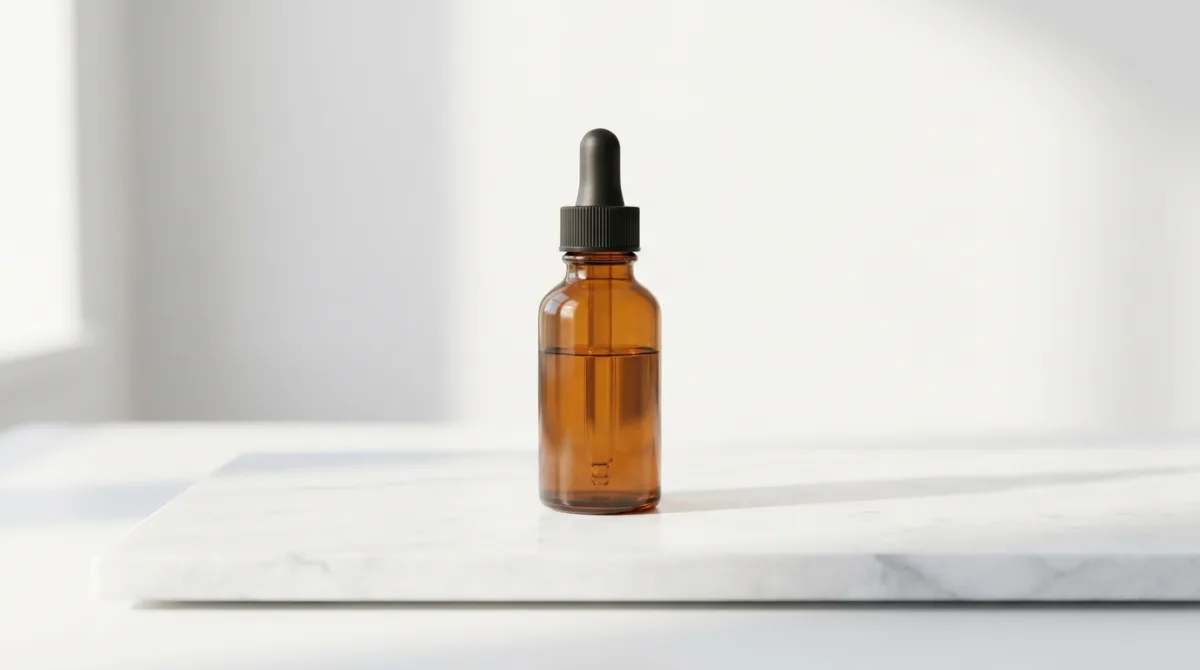
Do antioxidant products really need to be stored away from light? Yes, for the ones prone to oxidising — vitamin C especially. Dark or opaque packaging and cool storage genuinely extend how long a serum stays effective.
How long before I notice less redness? Realistically, weeks to a couple of months of consistent use, not days. These are supporting ingredients, and their effects build gradually rather than showing up overnight.
The bottom line
Antioxidants are a reasonable, low-risk addition to a routine for redness-prone skin, and a few of them — niacinamide, azelaic acid, vitamin C in particular — have decent evidence behind their role in calming appearance and supporting barrier resilience. They’re not a treatment for rosacea or a fix for an active flare, and “antioxidant” on a label doesn’t guarantee much on its own; it depends which one, at what concentration, and what else is in the formula. Use them as a supporting habit alongside sunscreen and a gentle routine, and keep expectations proportionate to what’s actually been studied.