Product Layering: Order, Timing, and Compatibility
There's a real, physical logic to layering order — but most of the 'never combine these' rules floating around skincare content are stricter than the evidence actually requires.
Read articleWe use Google Analytics to see which articles get read. You can accept or decline analytics cookies. See our Privacy Policy.
L-ascorbic acid and its derivatives: stability, concentration, and which forms actually work.
11 articles
There's a real, physical logic to layering order — but most of the 'never combine these' rules floating around skincare content are stricter than the evidence actually requires.
Read article
"Hyperpigmentation" gets treated as one problem with one fix. It isn't — melasma, post-inflammatory marks and sun spots have different causes and different treatment ceilings, and mixing them up wastes months of a routine that was never going to work.
Read article
Most skincare advice assumes a barrier that works. Eczema-prone skin doesn't have one, which means the usual playbook — layer actives, try new things, optimise your routine — can actively make things worse.
Read article
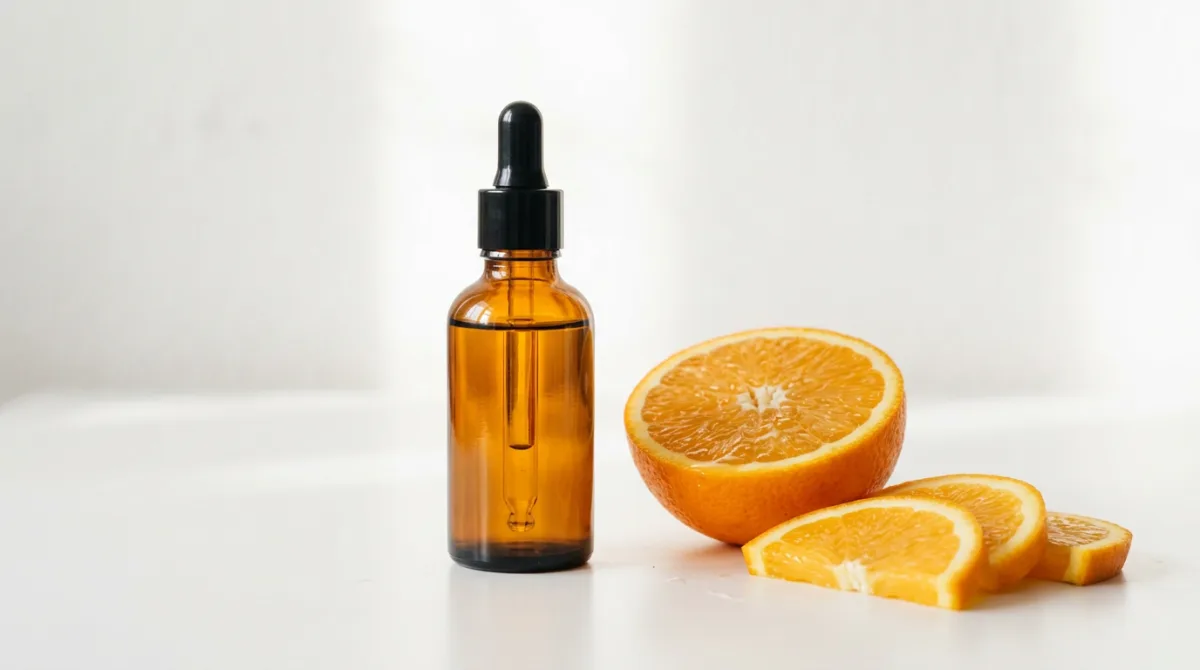
Vitamin C is one of the most researched skincare ingredients — and one of the most confusing.
Read article
Of all the peptides sold on anti-ageing claims, copper peptides (GHK-Cu) have the strongest research behind them — genuine wound-healing evidence, and cosmetic trial data that's real but more modest than the marketing suggests.
Read article
A vitamin C serum that's oxidised still looks like a vitamin C serum. Degradation in skincare is mostly invisible, which means the product doing nothing useful in your cabinet might still look perfectly fine.
Read article
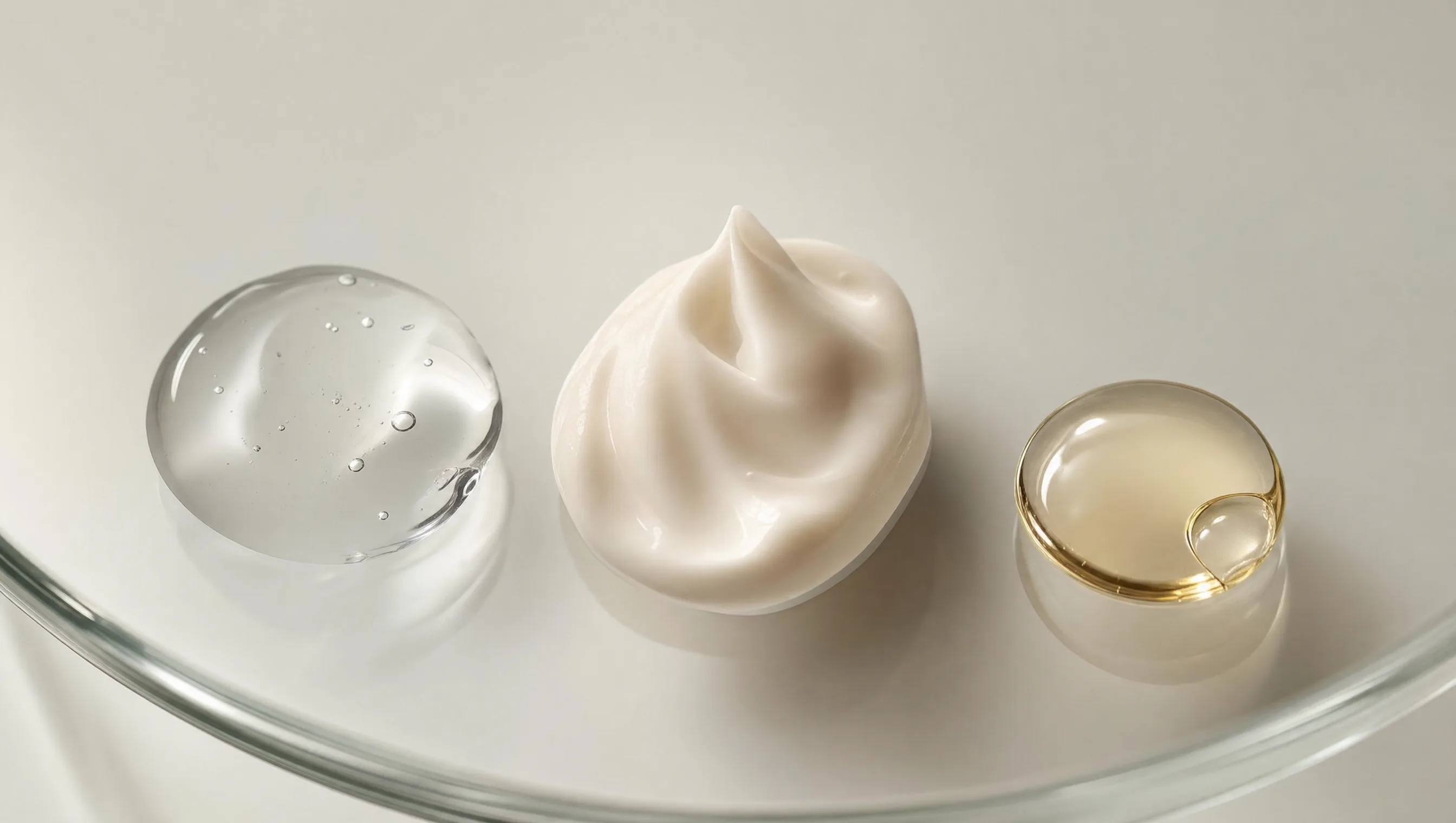
A serum, a cream and an oil containing the same active aren't the same product wearing different textures — they deliver different amounts, to different depths, on different timelines. The format is doing more work than the ingredient list lets on.
Read article
'Apply thin to thick' is the standard layering advice, but it's really a proxy for something more specific: which ingredients dissolve in water and which dissolve in oil. Understanding solubility explains why routines pill, why some products don't absorb, and how to fix both.
Read article
The same active ingredient can work brilliantly or do almost nothing depending on the pH it's formulated at — a distinction most product labels never mention.
Read article
Two products can list the same active at the same percentage and behave nothing alike. pH, stability, vehicle and penetration enhancers decide what actually reaches your skin — the label doesn't.
Read article
Antioxidants get pitched as a redness cure-all, but the evidence for calming inflamed, reactive skin is real for only a handful of them — and even then, it's supporting evidence, not a treatment.
Read article