Vitamin C Forms Compared: Which One Actually Works?
Vitamin C is one of the most researched skincare ingredients — and one of the most confusing.
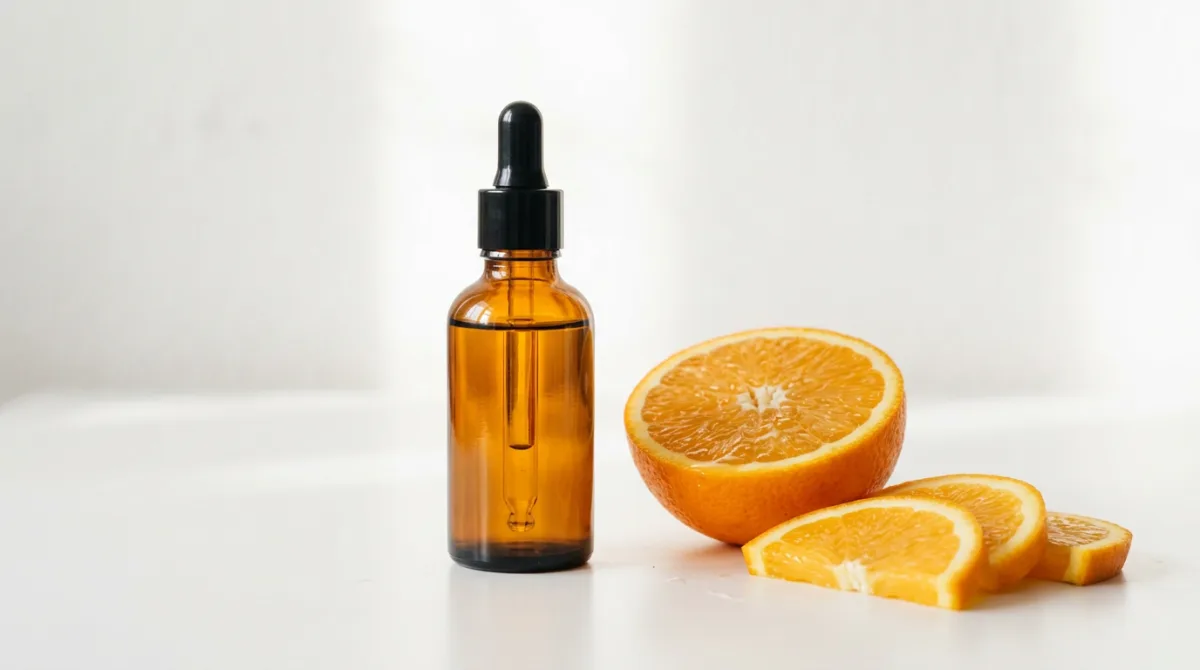
Ask five skincare brands what “vitamin C” means and you’ll get five different molecules. L-ascorbic acid, sodium ascorbyl phosphate, ascorbyl glucoside, tetrahexyldecyl ascorbate — they’re all marketed under the same banner, but they behave nothing alike in a bottle or on skin. That’s the confusing part. The ingredient itself is one of the best-studied in skincare; the derivatives sold under its name are a much patchier story.
Why Vitamin C Matters
Vitamin C (ascorbic acid) is a potent antioxidant with a genuine evidence base behind several cosmetic benefits:
- Antioxidant protection against UV-generated free radicals
- Collagen synthesis support (vitamin C is a required cofactor for collagen production)
- Brightening through inhibition of melanin production, giving a more even-looking skin tone
- Photoprotection (not a sunscreen replacement, but an additive layer of defence)
The catch is getting vitamin C into skin in a form and concentration that actually produces these effects — and that’s where most of the marketing noise comes from.
The Gold Standard: L-Ascorbic Acid
What It Is
L-ascorbic acid (LAA) is pure vitamin C — the form your body uses naturally. It’s water-soluble and by far the most-studied vitamin C form for topical use.
The Evidence
L-ascorbic acid has the strongest evidence base of any vitamin C form. Research on it has looked at:
- Reduced UV-related skin damage when used alongside sunscreen
- Support for collagen production
- Improvement in the appearance of pigmentation — though for stubborn cases like melasma, tranexamic acid is worth considering as a complementary or alternative active
- Softening of visible photoageing, such as fine lines and uneven tone
Most vitamin C research has been conducted on this form specifically, which is why it’s the benchmark everything else gets measured against.
The Challenges
L-ascorbic acid is awkward to formulate well, and that’s the whole reason derivatives exist.
Stability. It oxidises rapidly on contact with air, light, and heat. A product can degrade before it even reaches you, and it keeps degrading every time you open the bottle.
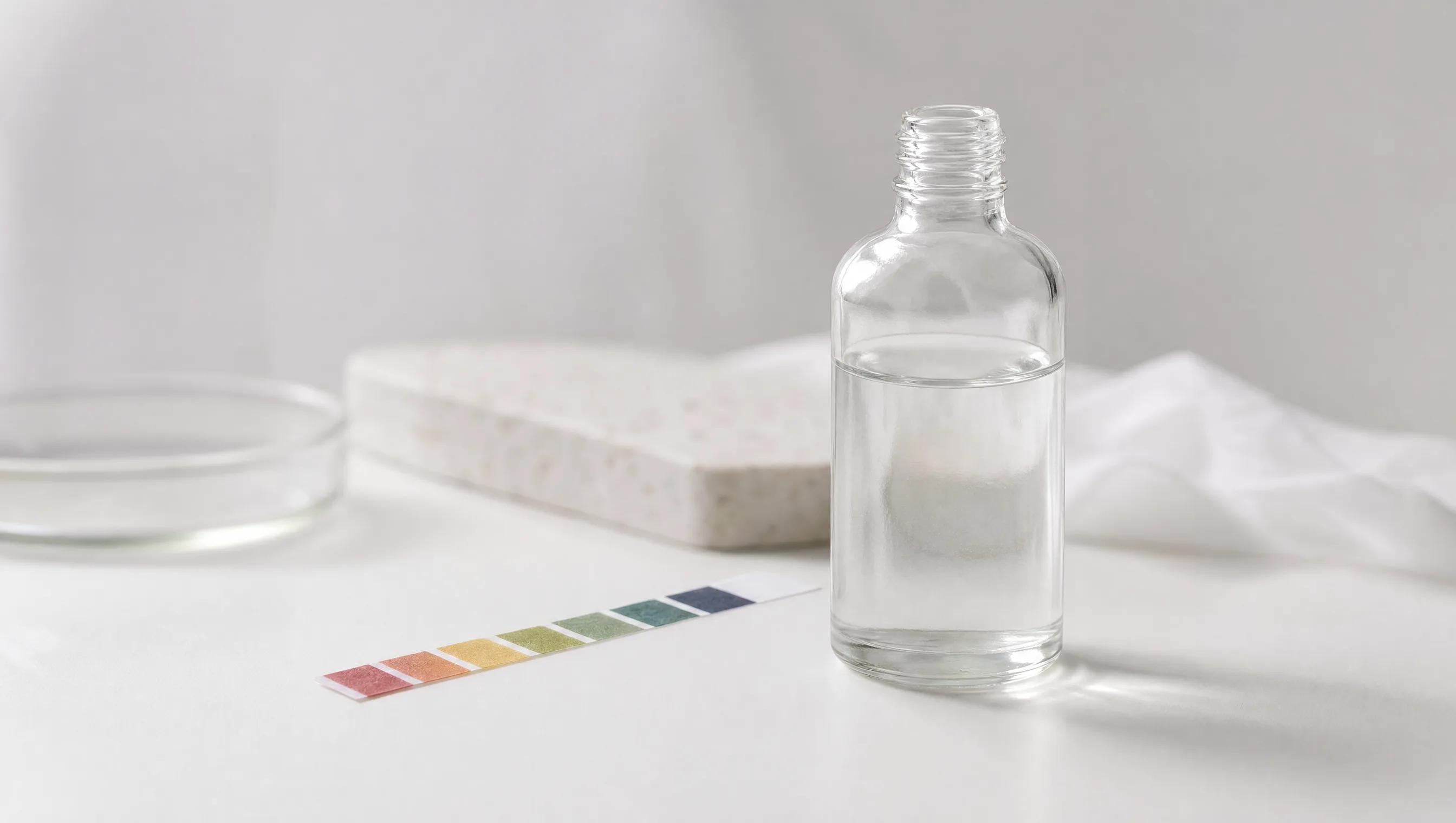
pH. For decent penetration it needs to sit at pH 3.5 or below — noticeably acidic, which is also why it can sting or irritate.
Concentration. The evidence points to 10–20% as the range where effects become noticeable; below that, benefits tail off.
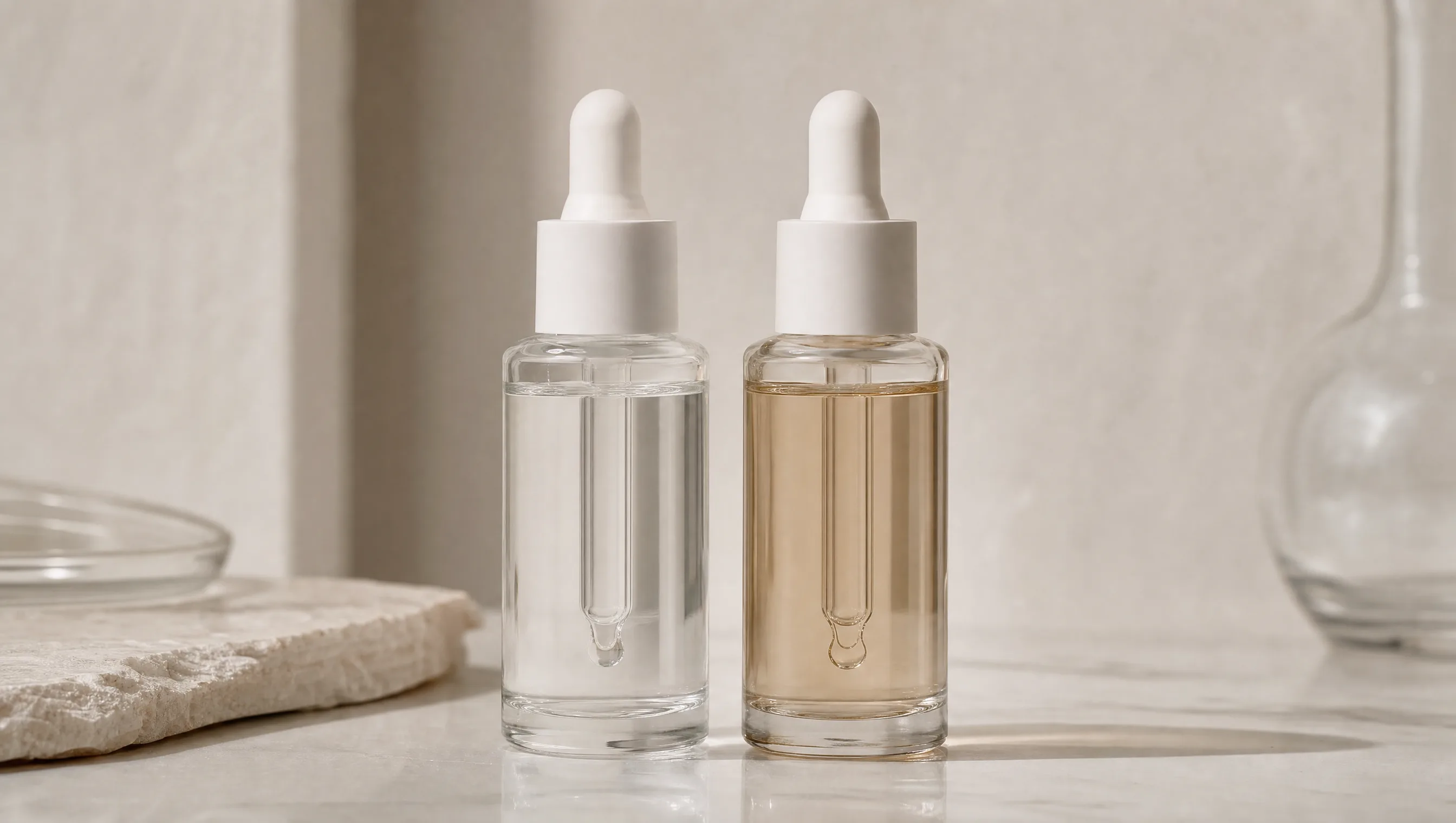
Telling if it’s gone off. Fresh L-ascorbic acid should be colourless or very pale yellow. If a serum has turned orange or brown, it’s oxidised and has lost most of its usefulness — carry on using it if you like the texture, but don’t expect much from the vitamin C.
Best For
People who want the most evidence-backed option, don’t mind a lower pH, will get through a bottle quickly, and buy it in dark, airless packaging rather than a clear jar.
Vitamin C Derivatives: The Trade-offs
Derivatives exist to fix L-ascorbic acid’s stability problem by bolting something onto the molecule. The catch is that most of them have to convert back to L-ascorbic acid once they’re in the skin to have any effect — and that conversion is rarely complete. You’re trading some potency for a product that survives on a bathroom shelf.
Ascorbyl Glucoside
L-ascorbic acid bound to a glucose molecule, which makes it water-soluble and considerably more stable — a much longer shelf life with less visible degradation over time. Skin enzymes cleave off the glucose to release the active vitamin C, though penetration this way is only moderate, and studies on brightening effects tend to show a milder result than L-ascorbic acid delivers directly. Because it can be formulated at a higher, more comfortable pH, it suits sensitive skin and anyone prioritising stability over maximum strength.
Sodium Ascorbyl Phosphate (SAP)
A water-soluble phosphate salt with decent stability and a skin-friendly formulation pH of 5–7. The evidence here leans towards antioxidant and antibacterial effects, with particular interest in acne-prone skin — the anti-ageing evidence is thinner than for L-ascorbic acid. Worth considering if you want an antioxidant boost without the sting of a low-pH product.
Magnesium Ascorbyl Phosphate (MAP)
Another water-soluble phosphate salt, stable in water-based formulas and workable at higher pH. Research is limited but points towards hydrating and brightening effects, making it a reasonably gentle option for sensitive or dry skin wanting a first introduction to vitamin C.
Ascorbyl Tetraisopalmitate
The oil-soluble outlier of the group — lipophilic rather than hydrophilic, and very stable against oxidation. Because it dissolves in oil, it may penetrate more readily through the lipid-rich outer layer of skin, and some research backs this up, along with good antioxidant and brightening activity. It only works in oil serums or anhydrous formulas, not water-based products, which makes it a natural fit if you’re already using oil-based actives.
3-O-Ethyl Ascorbic Acid
A modified form of ascorbic acid that’s more stable than the pure form while retaining some direct activity of its own, rather than relying entirely on conversion. Studies show brightening effects, and it’s claimed to penetrate well, though the evidence for that specific claim is still limited. A reasonable middle ground between stability and potency.
Ascorbyl Palmitate
Fat-soluble, very stable, and — honestly — not up to much as a vitamin C source. Conversion to L-ascorbic acid is poor, so meaningful vitamin C activity is minimal, and some studies suggest it can even behave as a pro-oxidant under UV exposure. It shows up on ingredient lists mostly because “vitamin C” sells, not because the formulation benefits from it.
The Combination Strategy: Vitamin C + E + Ferulic
The best-known vitamin C formulation pattern pairs L-ascorbic acid with vitamin E (tocopherol) and ferulic acid. Ferulic acid stabilises the L-ascorbic acid, roughly doubling it, vitamin E adds its own antioxidant activity on top, and together the combination appears to extend UV protection further than any one ingredient manages alone.
This trio, popularised by SkinCeuticals’ original research, has since been copied across dozens of brands. The specific ratio — 15–20% L-ascorbic acid, 1% vitamin E, 0.5% ferulic acid, at a pH below 3.5 — has more or less become the industry template. Products that claim the same combination at a higher pH or lower concentrations aren’t necessarily delivering the same result; the formulation detail matters as much as the ingredient list.
Concentration Matters
For L-ascorbic acid, the research broadly supports:
- Below 10%: limited benefit
- 10–15%: the effective range for most people
- 15–20%: where benefit tends to plateau — going higher doesn’t improve results, just irritation risk
- Above 20%: no extra benefit, more irritation
Derivatives don’t map onto this scale cleanly. Effective concentrations vary by form and are far less well-established, so a 10% derivative isn’t necessarily equivalent to 10% L-ascorbic acid — it could be doing much less. It’s the same broader lesson that applies across skincare actives generally: a bigger number on the label isn’t a reliable proxy for a bigger effect.
Comparing the Forms
Ranked roughly by strength of evidence for anti-ageing benefits:
- L-ascorbic acid — the most evidence, most potent when the product is still fresh
- Ascorbyl tetraisopalmitate — a solid evidence base and a genuinely stable oil-soluble option
- Sodium ascorbyl phosphate — moderate evidence, particularly useful for acne-prone skin
- Ascorbyl glucoside — some evidence, a gentle everyday option
- 3-O-ethyl ascorbic acid — limited but promising
- Ascorbyl palmitate — minimal evidence and questionable real-world benefit
Choosing Your Vitamin C
If you prioritise efficacy: L-ascorbic acid in a well-formulated, properly packaged product at 15–20% concentration. Accept the stability quirks and use it while it’s fresh.
If you have sensitive skin: ascorbyl glucoside, magnesium ascorbyl phosphate, or another derivative formulated at a skin-neutral pH. You’re trading some potency for comfort, which for reactive or barrier-compromised skin is usually the right call.
If you prefer oil-based products: ascorbyl tetraisopalmitate has a decent evidence base and holds up well in anhydrous formulations.
If you’re acne-prone: sodium ascorbyl phosphate has specific evidence for antibacterial effects on top of the usual vitamin C benefits.
If you want maximum stability full stop: derivatives generally outlast L-ascorbic acid, and ascorbyl tetraisopalmitate is particularly resilient.
Red Flags in Vitamin C Products
L-ascorbic acid in clear packaging. Light accelerates degradation — proper packaging is dark or opaque, not a see-through bottle sitting on a bathroom windowsill.
L-ascorbic acid in a jar. Every time you open it, air gets in and oxidation speeds up. Airless pumps are far better suited to this ingredient.
L-ascorbic acid formulated above pH 3.5. Penetration is compromised at that pH — the product may still feel nice and moisturise, but it’s unlikely to be delivering much vitamin C benefit.
Undisclosed concentrations. “Contains vitamin C” without a percentage could mean 0.1% or 20%. Without that number, you’re guessing at whether it’ll do anything.
“Vitamin C derivative” with no name given. Different derivatives behave very differently, so vagueness on which one is a sign the label is written for marketing, not for someone trying to make an informed choice.
Storage and Shelf Life
Buying the right form is only half the battle — how you store it afterwards decides whether you actually get the benefit you paid for. Most vitamin C serums hold their potency for roughly three to six months after opening, provided they’re kept cool, out of direct light, and in airless or opaque packaging. Warmth, sunlight, and repeated air exposure all speed up oxidation, which is why a serum left on a sunny windowsill can turn markedly less effective well before that window is up.
A few habits make a real difference: keep the bottle in a drawer or cupboard rather than on display, consider the fridge if you live somewhere warm (the cooler temperature slows oxidation further), and use the colour check from earlier in this article — colourless or pale yellow is fine, orange or brown means it’s past its best. If a serum has changed colour, there’s little point pushing through the rest of the bottle for the vitamin C content, even if the texture still feels pleasant on skin.
The Practical Summary
L-ascorbic acid remains the most evidence-backed vitamin C form, but its instability makes product choice and storage genuinely important — a degraded L-ascorbic acid serum can end up doing less for you than a stable derivative that never had the same peak potency to lose.
For most people it comes down to three trade-offs:
- Maximum potential benefit, with stability to manage (L-ascorbic acid)
- Good benefit with an easier formulation to live with (oil-soluble derivatives)
- A gentler introduction with more modest benefit (water-soluble derivatives)
Whichever you choose, consistency matters more than the label. Vitamin C’s cosmetic benefits build up with regular use over months, not days, and a derivative applied every morning will do more for your skin than an L-ascorbic acid serum left in the cupboard because it stings or because you’re rationing it before it turns brown.
It’s also worth thinking about where vitamin C sits in the rest of your routine — how you layer it with other actives affects how much of it actually gets used, and it’s one of the ingredients people most often ask about pairing with niacinamide or retinoids. Match the form to your skin’s tolerance and your patience, then give it long enough to show whether it’s working before you switch again.