Product Layering: Order, Timing, and Compatibility
There's a real, physical logic to layering order — but most of the 'never combine these' rules floating around skincare content are stricter than the evidence actually requires.
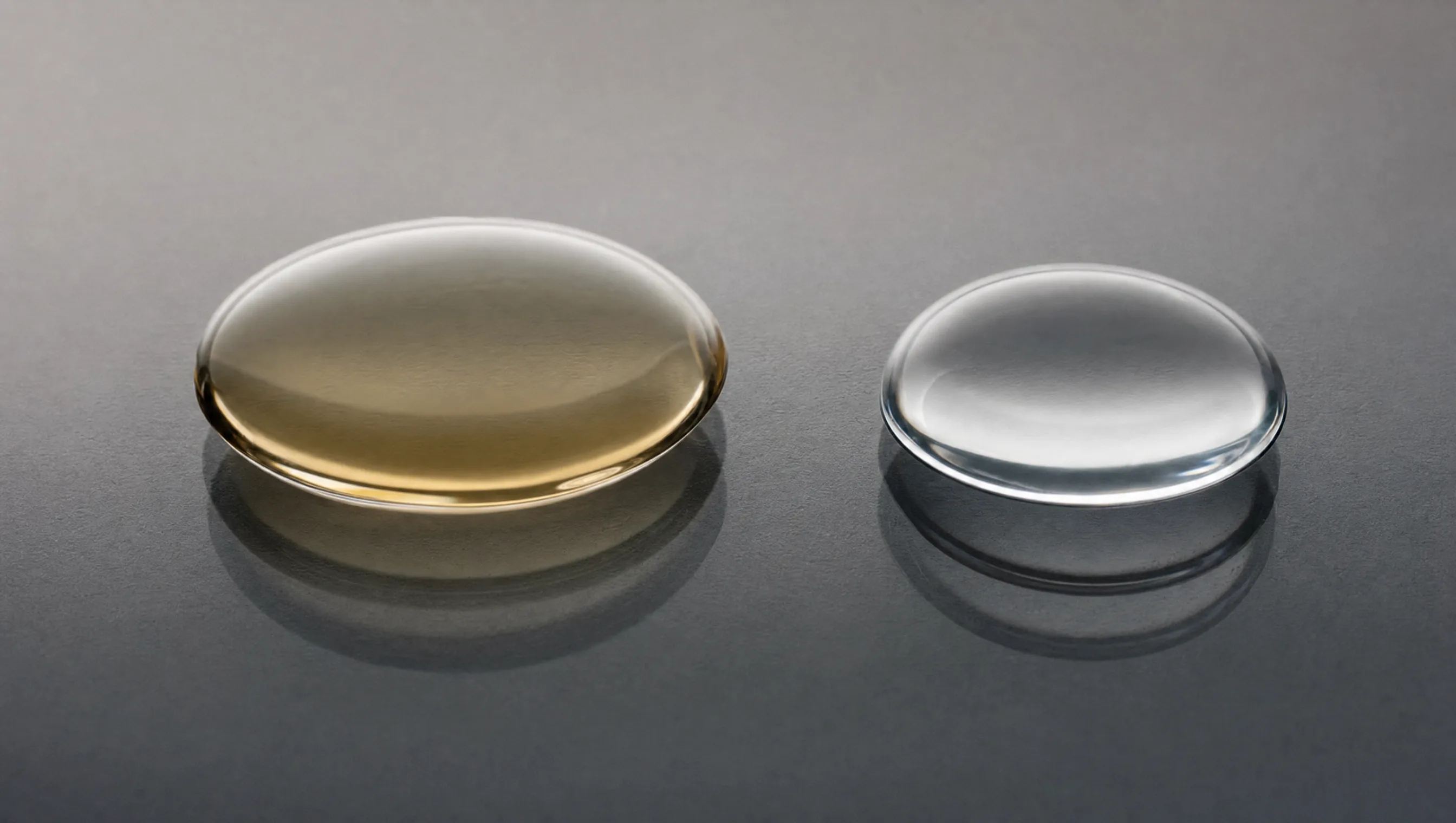
Ask five skincare accounts what order to apply your products in and you’ll get five confident, mostly-overlapping answers, plus a handful of “never combine X and Y” rules that sound authoritative and don’t all hold up. There is a genuine physical logic underneath the confusion — water-based products can’t push through an oil film, and a thick cream on top of a thin serum blocks the serum from doing much of anything. Once you understand that one mechanism, most of the specific rules fall out of it on their own.
The one rule that actually matters
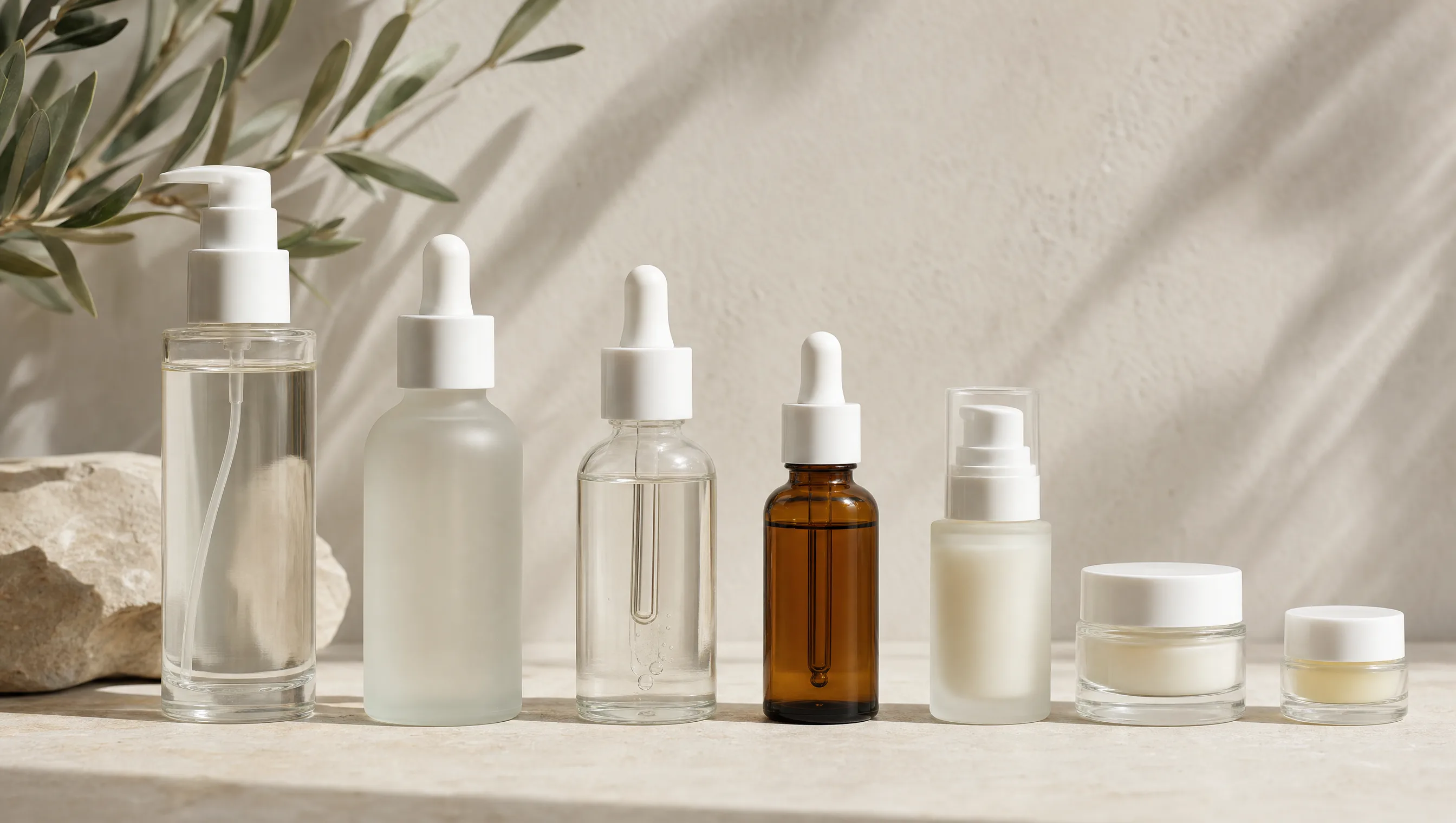
Thin to thick, water to oil. Everything else is a variation on this.
Water-based products absorb best against clean skin, so they go first. Oil-based and heavily occlusive products sit on top and slow evaporation, so they go last. Apply an oil before a water-soluble serum and the serum mostly sits on top, doing very little. This isn’t a formulation superstition — it’s a straightforward consequence of how water and oil interact at a surface.
A typical morning order
- Cleanser (or just water)
- Toner, if you use one
- Watery treatments or essences, if using
- Serums, thinnest first
- Eye cream, if it’s a separate product
- Moisturiser
- Sunscreen — the non-negotiable final step before makeup
A typical evening order
- First cleanser (oil or balm, to dissolve sunscreen and makeup)
- Second cleanser (water-based, to remove the residue)
- Toner, if using
- Exfoliating acids, on the nights you use them
- Treatments and serums
- Retinoid, if using
- Eye cream, if separate
- Moisturiser
- Facial oil, optional, on top of or mixed into moisturiser
- An occlusive, if your skin needs the extra help that night
Where each step actually sits
Cleansers always go first — you’re removing, not building. Double cleansing (oil-based first, dissolving sebum and product buildup, water-based second to clear the residue) makes sense on sunscreen or makeup days; it’s not mandatory on bare-skin days.
Toners sit after cleansing, before serums, but the category is doing less than it used to. Hydrating toners prep skin for what follows. Exfoliating toners are actives in a bottle and should be treated as such, not layered in casually. Old-school astringent toners mostly just irritate and aren’t worth defending.
Essences, where used, sit between toner and serum — thinner and generally more hydrating than treating, so early is right.
Serums are the actual treatment step. If you’re using more than one, go thinnest to thickest: watery serums like hyaluronic acid or niacinamide first, thicker ones like vitamin C or peptide serums after, oil-based serums (some vitamin C esters, squalane) last. If two products feel like they’re fighting each other on the skin, a 30–60 second gap between them usually sorts it out.
Eye cream placement depends on texture rather than a fixed rule — thinner than your moisturiser, apply before it; thicker, apply after and pat rather than rub. Plenty of people skip a dedicated eye product entirely and just extend their regular moisturiser, which is fine unless you have a specific concern in that area.
Moisturiser seals in whatever came before and does its own barrier-support work. Give the water-based layers a minute to settle first.
Facial oils are occlusive by nature — used before water-based products they’ll block absorption, used after or mixed into moisturiser they help seal things in. A few drops stirred into moisturiser is a reasonable habit for most skin types.
Sunscreen is the fixed final step of any morning routine. It needs an intact, even film to work properly, so give it a couple of minutes to set before makeup, and don’t put anything else on top that might disrupt it.
Occlusives — Vaseline, heavy sleeping masks — go last, evening only, and nothing meaningfully absorbs through them, which is exactly the point.
Do you actually need to wait between products?
Usually not. Most combinations layer fine back-to-back: hyaluronic acid into moisturiser, niacinamide under almost anything, one serum into the next. Waiting matters more in a few specific cases — after L-ascorbic acid, whose low pH can interfere with other actives applied immediately after (15–20 minutes, or a different time of day, is the common workaround); after exfoliating acids, where letting the pH neutralise before adding other actives is sensible; and before sunscreen, where a short gap helps the previous layer absorb rather than compete for space in the film.
If products are pilling into little balls on your skin, that’s your sign to slow down. If they’re not, you probably don’t need to.
What genuinely doesn’t mix well
Most “never combine” warnings online are overstated, but a few combinations are worth real caution:
Vitamin C with AHAs or BHAs can tip into irritation together — better used at different times of day than layered.
Retinoids with AHAs/BHAs stack two exfoliation-adjacent effects on the same skin the same night, which is a common route to over-exfoliation. Alternate nights rather than combine.
Retinoids with benzoyl peroxide — some retinoids are inactivated by BP (adapalene isn’t), so separating them by time of day is the safer default.
Multiple exfoliants at once — AHA plus BHA plus enzyme plus retinoid in the same routine is simply too much active load for most skin. Pick one or two, not all four.
The myths that don’t hold up
Niacinamide and vitamin C “cancelling each other out” traces back to old lab experiments using boiling solutions at extreme concentrations — nothing like conditions on your bathroom shelf. Under normal use the interaction is negligible; layer them or separate them, whichever you prefer, and expect no real difference either way.
Retinoids and vitamin C being incompatible is similarly overstated — plenty of people use both in the same routine without issue, provided the overall active load is sensible.
Hyaluronic acid conflicting with anything — it doesn’t. It’s about as easygoing an ingredient as skincare has.
Troubleshooting
Products pilling usually comes down to incompatible textures, applying before the previous layer has absorbed, or silicone conflicts between formulas. Waiting longer, patting instead of rubbing, using slightly less product, and reconsidering whether those two products genuinely belong together all help.
Sunscreen pilling specifically is often about what’s underneath — let moisturiser absorb fully first, pat the sunscreen on rather than working it in, and if a particular sunscreen consistently pills under your routine, a different base formula may simply suit you better.
A product “not working” is sometimes a layering problem rather than an ingredient problem — a water-based active applied after an oil or heavy occlusive has very little chance to penetrate. Watery actives go before oils, always.
Increased irritation after adding a new step is often about active load and order rather than any single ingredient being “bad” — spacing actives across different nights, or buffering a retinoid under moisturiser, addresses this more often than switching products does.
Fitting it to a real routine
A minimalist version needs almost none of this: cleanser, moisturiser, sunscreen in the morning; cleanser, treatment if any, moisturiser at night. See the minimum effective routine if that’s more where you’re starting from.
A fuller routine follows the order above but doesn’t mean using everything, every day — exfoliants two to three times weekly, retinoids built up gradually from two to three times weekly (or bakuchiol in that slot for skin that doesn’t tolerate retinoids well), vitamin C daily or as tolerated, hydrating serums daily. Alternating actives across a rotation (retinoid one night, exfoliant another, a plain hydrating night in between) is a reasonable way to use more than one active without overloading skin on any given night.
The bottom line
Layering order isn’t arbitrary, but it isn’t as fragile as the internet sometimes makes it sound. Get the core logic right — thin to thick, water to oil, sunscreen always last in the morning — and most products will behave themselves regardless of the exact minute-by-minute sequence. The exceptions that genuinely matter are a short list: don’t stack too many actives on one night, give vitamin C and acids a little room to work before layering more onto them, and don’t expect anything to absorb through an oil or occlusive applied too early. Everything else is mostly forgiving.