Slugging: When It Helps and When It Doesn't
Slugging isn't the miracle TikTok made it out to be, and it isn't the pore-clogging disaster its critics warn about either — it's ordinary occlusion, with genuine upsides for some skin and real downsides for others.
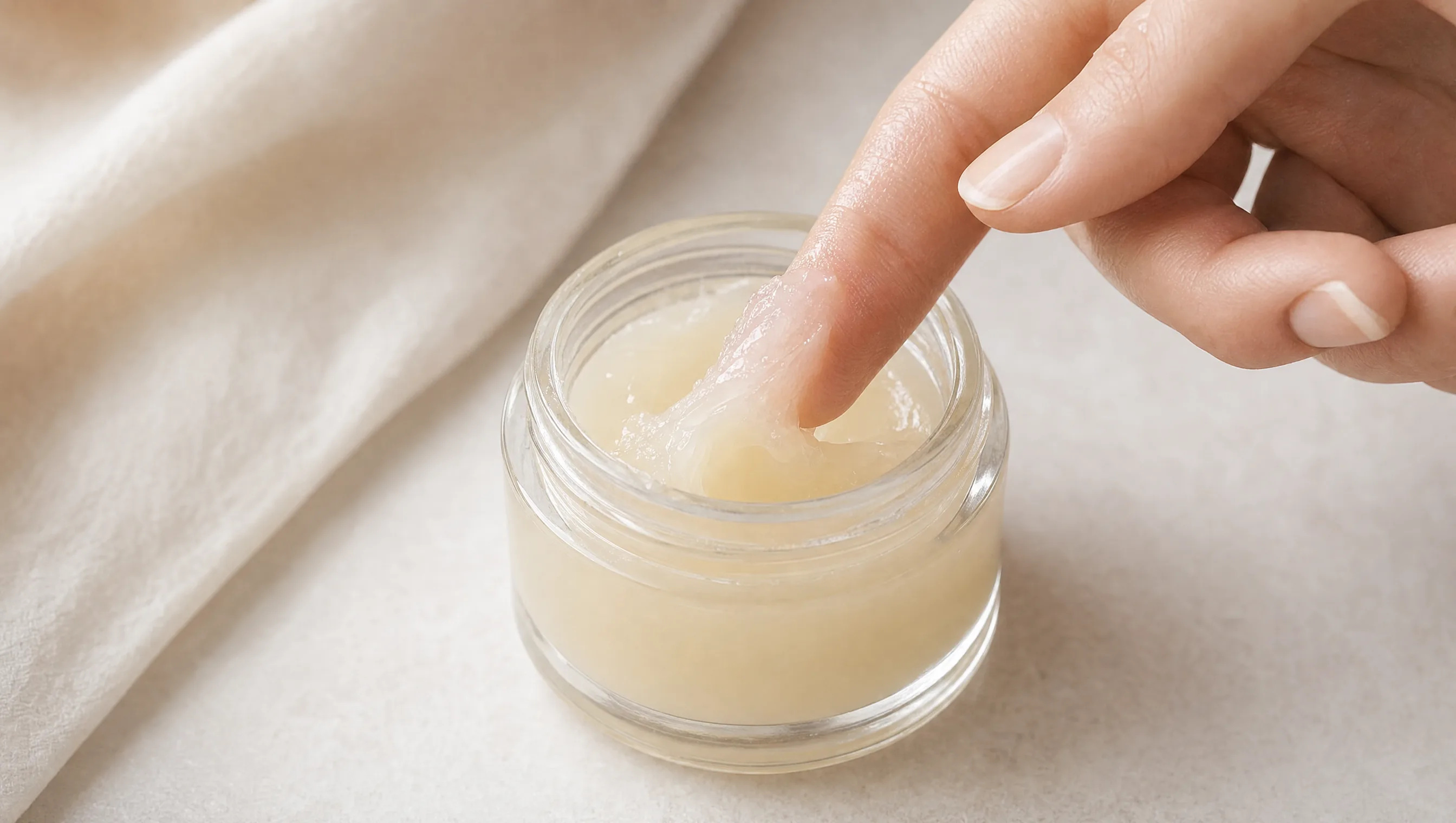
Slugging — sealing the final step of a night routine under a layer of petroleum jelly or a similar occlusive — went properly viral through skincare TikTok, complete with devotees crediting it for transformed skin and critics warning it suffocates pores and triggers breakouts. Neither camp is fully right. The mechanism behind slugging is old, well-understood dermatology, not a new discovery, and whether it actually helps depends heavily on the skin underneath it.
What slugging actually does
An occlusive layer on the skin’s surface does a small number of specific things. It reduces transepidermal water loss (TEWL) — water constantly evaporates off skin, and an occlusive layer dramatically slows that evaporation, keeping existing moisture trapped where it is rather than adding new hydration from nowhere. It offers some physical protection from environmental stress overnight. It can enhance absorption of whatever’s underneath it, since nothing there can evaporate off and it has more time in contact with skin — which is either useful or a problem depending on what’s underneath. And in a protected, low-TEWL environment, barrier repair can proceed with less interference.
What it doesn’t do is “suffocate” skin in any real sense. Skin gets its oxygen from blood supply, not from air contact — the respiratory framing that shows up in some critical takes on slugging isn’t how skin actually works.
The occlusion science behind it
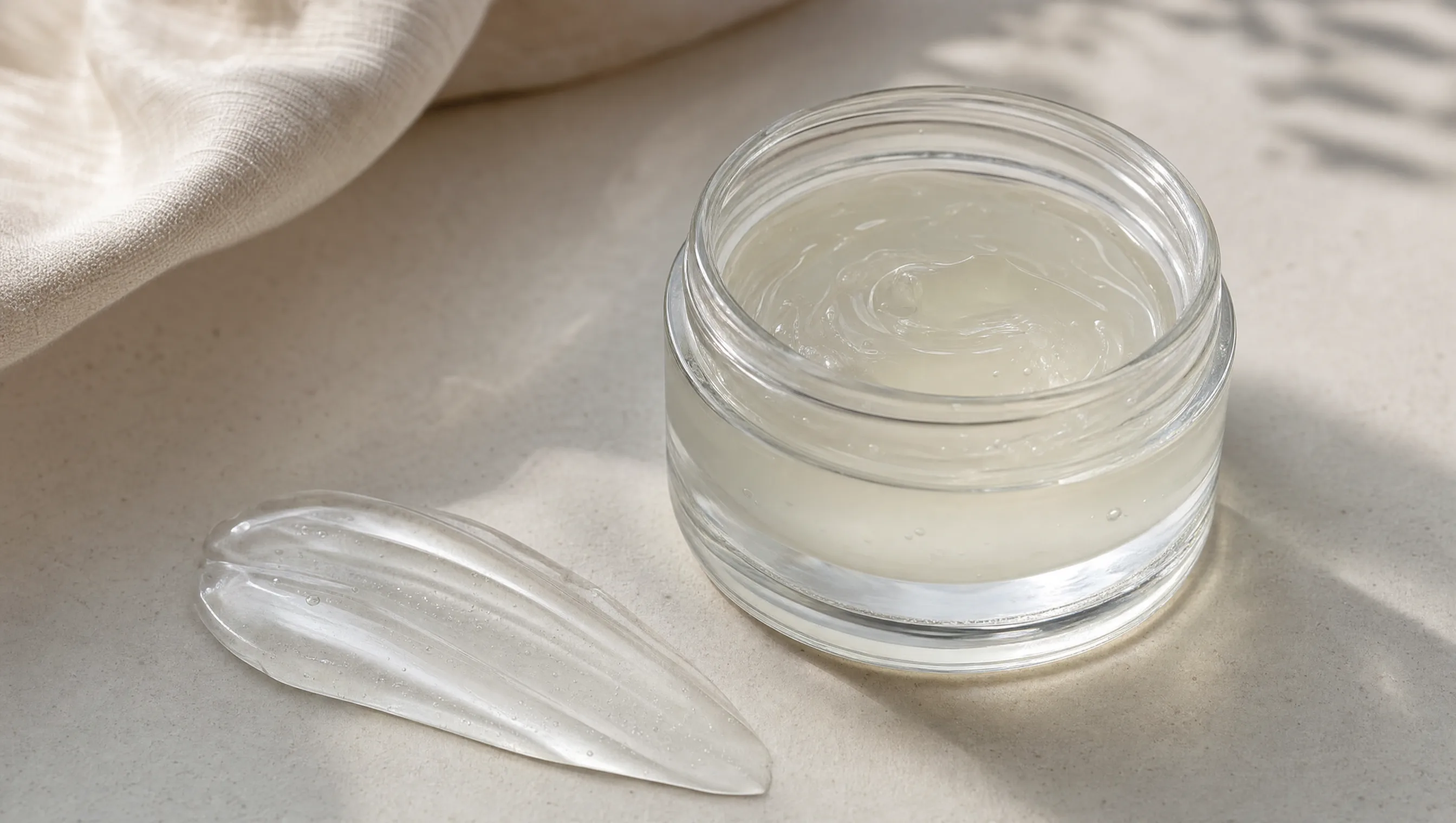
Petroleum jelly (petrolatum) is the standard slugging ingredient because it’s unusually effective as an occlusive — studies show it can reduce TEWL by over 98%, more than nearly anything else used topically. This isn’t a social-media discovery; occlusion has a long history in wound care, dermatological treatment, and barrier repair protocols. The viral moment gave a catchy name to a technique that’s been part of dermatology practice for decades.
Other occlusives work on the same principle with less potency: mineral oil and paraffin (moderately occlusive), lanolin (occlusive plus emollient properties), silicones like dimethicone (moderately occlusive, more cosmetically elegant), and plant oils and butters (mild to moderate occlusion). None matches petroleum jelly’s raw occlusive power, which is why it remains the default choice.
Where it genuinely helps
Severely dry or dehydrated skin that isn’t retaining moisture despite a decent moisturiser is the clearest case — occlusion forces the issue overnight, giving the stratum corneum time to properly rehydrate with water that would otherwise have evaporated away.
Barrier damage — from over-exfoliation, retinoid adjustment, or environmental stress — can benefit from the protected environment occlusion creates, letting repair proceed without ongoing interference. See how to reintroduce actives after barrier damage if that’s the situation you’re actually in.
Harsh climates — cold, dry, or windy conditions raise TEWL significantly, and slugging offers extra protection specifically when conditions are working against skin more than usual. See seasonal skincare for how this fits into a broader winter routine.
Post-procedure recovery — after laser, peels, or microneedling, and once your provider has actually recommended it, occlusion can support the healing process.
Stubborn, localised dry patches that don’t respond to regular moisturising sometimes respond to targeted occlusion applied just to that area.
Retinisation — the peeling, dry period some people go through when starting a retinoid — is a reasonable time to slug on the nights you’re not applying the retinoid itself, to help maintain hydration through the adjustment.
Where it doesn’t help, or actively works against you
Acne-prone and oily skin is the most genuinely contested case. Petroleum jelly itself tests as non-comedogenic — its molecules are too large to physically get into pores. But that’s not the whole picture: occlusion sitting over existing comedogenic products or accumulated sebum can trap pore-clogging material rather than causing it directly, the humid environment under an occlusive may favour bacterial growth, and some acne-prone people simply don’t tolerate heavy occlusion well regardless of the theory. The lab result that petrolatum “can’t clog pores” doesn’t always match what happens in practice on breakout-prone skin.
Fungal acne (Malassezia folliculitis) is a clearer no — the warm, moist environment under an occlusive is exactly the kind of setting that favours yeast overgrowth, and slugging can trigger or worsen this specific type of breakout.
Active ingredients applied directly underneath — slugging straight over retinoids, AHAs, or BHAs increases their penetration and can meaningfully increase irritation. That’s not a bonus effect; it’s amplified damage. If you want to slug on a retinoid night, apply the retinoid first, let it absorb, apply moisturiser, wait again, then slug — and go cautiously even then.
Existing irritation or dermatitis — occlusion over already-inflamed skin can trap irritants or pathogens against it and worsen symptoms rather than calm them.
Skin that simply doesn’t need it — if your skin is balanced, your barrier’s healthy, and your climate is moderate, slugging is an extra step without a clear benefit attached to it.
How to slug properly, if you’re trying it
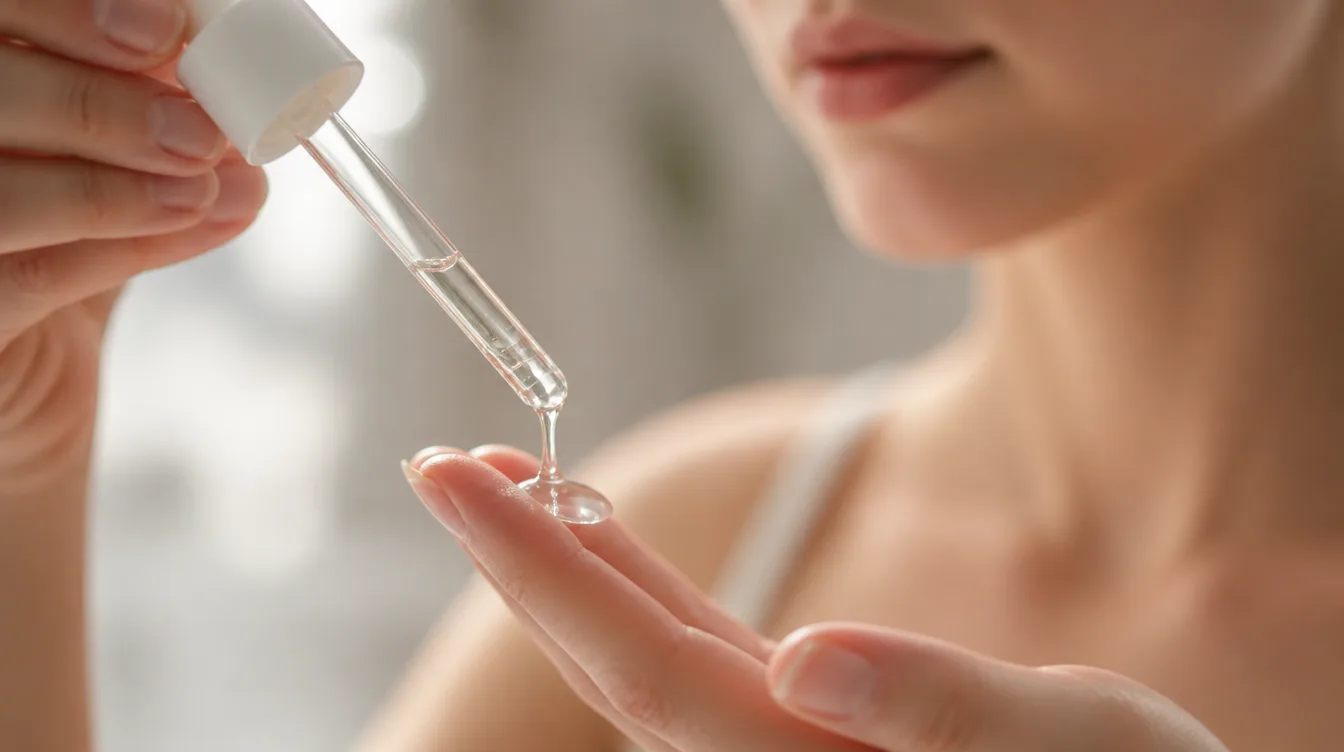
Cleanse thoroughly first — anything left on skin gets sealed in along with everything else, so start clean. Apply the rest of your normal routine as usual; hydrating layers like hyaluronic acid and moisturiser are the ideal foundation under occlusion. Skip actives directly underneath the slug — no retinoids, AHAs, or BHAs immediately before it; those belong on alternate nights, or applied much earlier with plenty of time to absorb first. Use a thin layer of the occlusive itself — a thin film provides full occlusion, and thick globs aren’t doing more work, just more mess. Sleep on it; the effect works overnight. Cleanse it off in the morning with your regular cleanser.
The “skincare sandwich” variation
Some people sandwich a potentially irritating active between two moisturiser layers, with an occlusive on top — moisturiser, then retinoid, then moisturiser again, then occlusive. This buffers the irritation while still letting the retinoid do its job, and it’s a reasonable middle ground for anyone who wants both the benefits of occlusion and continued use of an active, rather than treating the two as mutually exclusive.
Common questions
Will slugging clog my pores? Petroleum jelly itself doesn’t, by molecular size alone — but it can trap whatever’s already underneath it, including excess sebum or comedogenic products, which is where the real risk sits for acne-prone skin.
Do I need actual petroleum jelly, or will Aquaphor/CeraVe healing ointment do? Either works. Petroleum jelly is the purest and most occlusive option; formulas like Aquaphor or CeraVe Healing Ointment add ingredients like panthenol or ceramides alongside similar occlusion, at the cost of being slightly less purely occlusive.
Can I slug every night? You can, but it’s not necessary for most people — it’s more useful as a targeted response to dryness, barrier stress, or harsh conditions than as a permanent nightly step.
I have oily or acne-prone skin — should I avoid it entirely? Not necessarily, but go in with lower expectations and more caution than someone with dry skin would need, and stop if you notice new breakouts.
Who it’s actually worth trying
Slugging is worth trying if skin is dry, dehydrated, or barrier-damaged; if regular moisturising isn’t holding hydration through the night; if you’re adjusting to a retinoid and dealing with dryness from it; if you’re in or travelling to a harsh climate; and if you don’t break out easily to begin with.
It’s worth skipping if you’re acne-prone and have a history of breakouts from heavy products, if you’re prone to fungal acne, if skin is currently irritated or inflamed, if you want to apply active ingredients at the same time without buffering, or if skin is already well-balanced with no hydration issues to solve.
The bottom line
Slugging is a legitimate occlusive technique with real, evidence-backed benefits for the right skin and the right situation — not a miracle fix for every skin concern, and not the universal problem its critics sometimes suggest either. The mechanism is sound: reducing water loss supports hydration and barrier repair, and dermatology has recommended occlusion in some form for decades. What social media added was mostly a name. Try it if your skin’s current state suggests it would genuinely help. Skip it if you have good reason to expect otherwise. Like most things in skincare, it comes down to your own skin’s condition rather than a universal answer.